


Key Takeaways About Best Games to Play as a Family
- Family games don’t need expensive equipment. Some of the best options require nothing but people and enthusiasm.
- Board games remain a solid choice, but matching complexity to your youngest player’s ability is the difference between fun and frustration.
- Word games are the most underrated category in family gaming, combining zero equipment, genuine vocabulary building, and competitive energy that keeps players from age 6 to 60 locked in.
- Last Letter First offers a free multiplayer word game with a real $100 cash prize, making it one of the few family games where stakes feel genuinely exciting for teens and adults.
- Mix categories each week: a board game, a word game, and a no-equipment option keep energy fresh across rounds.
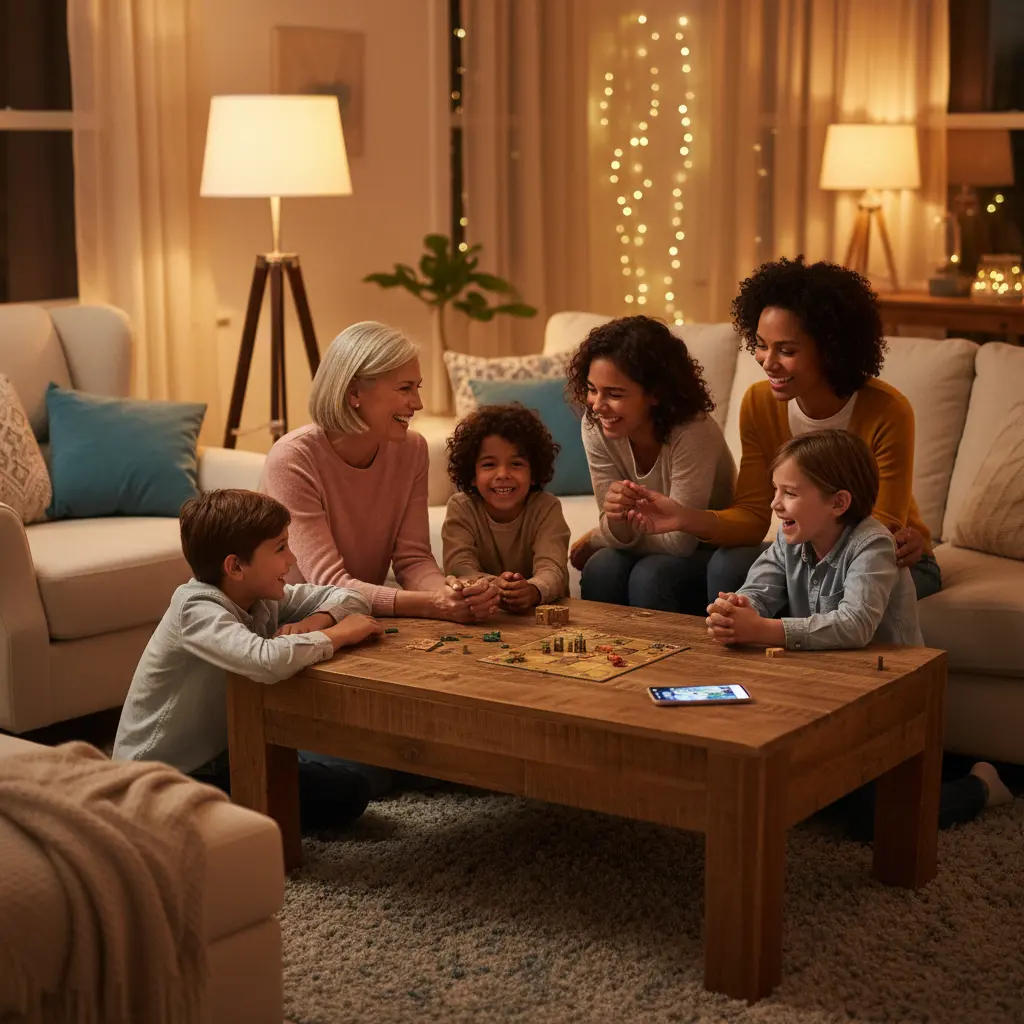
It’s 7:30 on a Saturday evening. Your twelve-year-old is glued to a phone, your seven-year-old is whining about being bored, and your partner just suggested “maybe we should do something together.” You pull out a board game. The twelve-year-old groans. The seven-year-old can’t read the instructions. Twenty minutes later, the box is back on the shelf.
Here’s what most family game roundups won’t tell you: the problem isn’t your family. It’s the games you’re picking. Most lists recycle the same ten board games without addressing the real challenge, finding options that genuinely work across a 30-year age gap.
Why Games to Play as a Family Matter More Than Ever
The best games to play as a family require nothing more than each other — no boards, no batteries, no setup time. Word games like Last Letter First turn car rides, restaurant waits, and lazy evenings into moments everyone actually remembers. When devices go down and the trash-talk starts, that’s where real connection happens.
Classic Board Games Every Family Should Try
Picking the right board game depends on how many people are at the table. For groups of 3 to 4, Ticket to Ride is ideal, simple enough for an eight-year-old, strategic enough for adults, wrapping up in about 45 minutes. For larger groups of 5 to 8, Codenames turns your family into competing spy teams and works brilliantly at holiday gatherings. Sushi Go! suits families with younger kids (ages 7+), and Exploding Kittens keeps teenagers from checking out. Check the Learning Hub for more tips on matching games to your family’s style.
Here is the information formatted into a clean table for you:
|
Game |
Best For |
Min Age |
Players |
Avg Round |
Equipment |
|
Ticket to Ride |
Strategy lovers |
8+ |
2-5 |
45 min |
Board game box |
|
Codenames |
Large groups |
10+ |
4-8 |
15 min |
Card set |
|
Sushi Go! |
Younger kids |
7+ |
2-5 |
15 min |
Card deck |
|
Exploding Kittens |
Teens and adults |
10+ |
2-5 |
15 min |
Card deck |
|
Uno |
Quick rounds |
6+ |
2-10 |
20 min |
Card deck |
|
Last Letter First |
All ages, competitive |
6+ |
2+ |
5-10 min |
None (online) |
Match complexity to the youngest player’s age. That’s the golden rule. If your youngest is under eight, skip anything with a rulebook longer than one page. And three quick 15-minute games often create more laughs than one drawn-out session where someone gets eliminated early and sits bored for forty minutes.
Word Games: The Overlooked Family Game Category
Word games are the most underrated category in family gaming. They check every box parents care about: zero equipment, scalable difficulty, and genuine replay value. I’d argue they belong at the top of every family game rotation, not buried as an afterthought.
When you’re racing to think of a word that starts with “N” before your sister does, you’re digging into corners of your vocabulary you didn’t know existed. That’s learning disguised as a genuinely intense showdown.
Last Letter First is a free multiplayer word game where players race to connect words by matching the last letter of one word to the first letter of the next, with a real $100 cash prize on the line. Suddenly your teenager is voluntarily playing a vocabulary game instead of scrolling TikTok. Learn more about how multiplayer word games improve family vocabulary.
Players can learn 100 new words a month through regular play, and the competitive format means they’re motivated to expand on their own. No nagging required. Short rounds of 5 to 10 minutes mean nobody zones out.
No-Equipment Games You Can Play Anywhere
Here’s the myth that needs busting: you need a closet full of boxes for a great family game night. You don’t.
Twenty Questions, I Spy, and “Would You Rather” have entertained families for generations without a single piece of equipment. They work whether you’ve got a five-year-old or a fifty-year-old. But these games tend to fizzle after fifteen minutes because there’s no structure pushing them forward.

That’s where digital no-equipment games change the equation. Last Letter First needs nothing more than a phone. No cards, no boards, no dice. You open it up, and everyone’s playing within seconds. The paradox? The simplest games often create the most memorable moments.
For families who want word-chain energy with a competitive edge, Last Letter First delivers it digitally. It travels as easily as your phone does, making it one of the most practical fun games to play with friends and family wherever you end up.
How to Start a Family Game Night Tradition
The biggest mistake families make is going all-in on one type of game and wondering why everyone loses enthusiasm by week three. Variety isn’t just nice to have. It’s the whole strategy.
Rotate game types weekly. It’s worth its weight in gold.
Here is the information organized into a clear table format:
|
Night |
Theme |
Example Games |
Ages |
|
Week 1 |
Board Game Night |
Ticket to Ride, Catan Junior |
8+ |
|
Week 2 |
Word Game Night |
Last Letter First, Scrabble |
6+ |
|
Week 3 |
Digital Night |
Mario Kart, Overcooked |
6+ |
|
Week 4 |
No-Equipment Night |
Capture the Flag, Charades |
All ages |
Pick a night, protect it, and let it become something your family looks forward to. For quick setup tips, the Learning Hub has everything you need to hit the ground running.